


Discover the transformative power of precision engineering in the manufacturing landscape. This field combines technology and innovation to craft components with unmatched accuracy and quality. Precision engineering sets new benchmarks for excellence across diverse industries by focusing on reducing errors and increasing efficiency. It is crucial in modern manufacturing, shaping the future with every minute measurement.
Exploring the Core Principles of Precision Engineering
Precision manufacturing signifies an evolution from older manufacturing methods, answering the call for components with superior accuracy and reliability. This shift aims to produce parts with high tolerances, minimal defects, and consistent quality, addressing the demands of the modern world. Precision manufacturing is about crafting parts that perfectly match their designs, using advanced technologies and processes.
A key principle here is the application of lean manufacturing principles, focusing on efficiency and reducing waste. This approach improves product quality and brings cost savings, fostering a culture of continuous improvement. This evolution has redefined component creation standards, emphasizing accuracy, efficiency, and waste minimization, reflecting the industry’s aim to meet today’s technological and quality demands.
The Importance and Benefits of Precision Engineering
Precision engineering is fundamental in manufacturing, ensuring the production of high-quality components with unparalleled accuracy. This approach utilizes advanced techniques and strict quality control to minimize errors and maintain excellence. Precision engineering enhances production efficiency and proves cost-effective over time by reducing material waste and the need for rework, thus offering significant cost savings.
This engineering approach is crucial in industries requiring minimal error margins, like aerospace or medical devices, ensuring product safety and functionality. Precision engineering redefines efficiency and cost-effectiveness in production, using advanced techniques and technology to produce reliable, high-quality components quickly.
Methods of Precision Engineering in Machining
Precision engineering has revolutionized component creation with high accuracy and efficiency in manufacturing, especially machining. This overview highlights the high-velocity, high-accuracy process, various methods used, and the role of innovation in enhancing productivity and reducing costs.
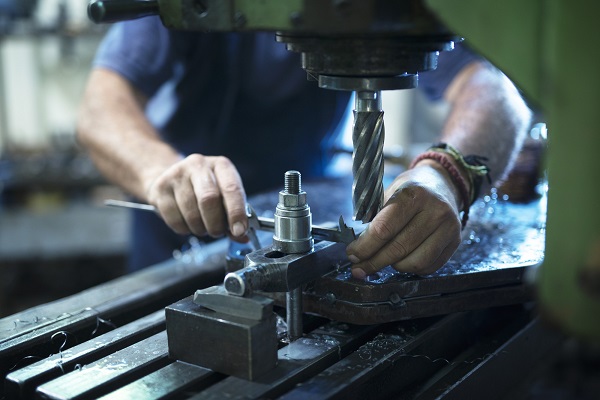
Precision machining, a cornerstone in manufacturing, relies on computer-controlled tools guided by advanced software to shape workpieces accurately. This process is crucial for creating components that seamlessly fit their intended applications with minimal error. It offers versatility, allowing manufacturers to customize the tool, direction, pressure, and angle to meet specific component requirements.
Common Techniques in Precision Engineering Manufacturing
Various key techniques are crucial for creating exceptionally accurate components in precision engineering manufacturing. Methods like subtractive manufacturing, metal casting, and injection moulding are central to producing high-quality parts.
Subtractive Manufacturing Process
This technique starts with a solid material block, from which parts are precisely carved using computer-controlled tools. Its accuracy is ensured through CAD and CAM systems, which handle a wide range of materials. It is ideal for prototyping and low-volume production.
Metal Casting
A time-honoured process, metal casting involves pouring molten metal into a mould, allowing the creation of detailed shapes. It is suitable for high-volume production and accommodates many metals and alloys, offering component durability and strength.
Injection Moulding
Significant for plastic part production, this method swiftly and consistently mass-produces components. Molten plastic is injected into a mould, cooling to form the part. Its speed, automation, and ability to create detailed, smooth finishes are vital for various industries.
These techniques highlight the commitment to precision, efficiency, and innovation in manufacturing. Precision engineering capabilities continue to grow with material and technology advancements, pushing manufacturing boundaries.
Read More : CNC Operation: A Catalyst for Business Growth and Innovation
Materials Utilized in Precision Engineering Manufacturing
Material choice is critical in precision engineering manufacturing, with each selected for its specific properties and applications.
Metals in Precision Engineering
- Aluminium is used for its lightweight yet strong characteristics, which make it ideal for aerospace and automotive parts and electronic enclosures.
- Steel, chosen for its strength and durability, is used in engine blocks, construction beams, and medical instruments.
- Titanium is valued for its strength-to-weight ratio and biocompatibility, which makes it perfect for aerospace components and medical implants.
- Alloys Combining metals to form alloys, like stainless steel for corrosion resistance and tool steel for wear resistance, showcases the adaptability of alloys in manufacturing.
- Plastics in Precision Manufacturing
- ABS Balances strength, toughness, and stability, suitable for automotive parts and consumer goods.
- PC is Known for its impact strength and heat resistance; it is used in safety glasses and medical devices.
- Nylon With excellent wear resistance and low friction, nylon is used in gears and industrial components.
- PEEK offers exceptional thermal and chemical resistance, ideal for aerospace components and medical implants.
These materials highlight their importance in advancing technology and industry, emphasizing the material sciences’ role in precision engineering.
Precision Engineering Applications Across Various Industries
Precision engineering is vital in aerospace for parts like engine components and landing gear, where accuracy and reliability are critical. The automotive industry benefits from precision-engineered engine components and transmission parts, improving vehicle performance. It is crucial for implants and surgical instruments in the medical field to impact patient outcomes. Precision engineering accuracy and reliability support the miniaturization of electronic components and robotics performance, underpinning the high-quality consumer goods market. Precision engineering applications will expand as industries evolve, driving innovation and enhancing product quality and performance.
Embracing the Future with Precision Engineering
Venturing into precision engineering opens up a world where accuracy, efficiency, and innovation merge, setting new manufacturing standards. This field’s evolution promises a future where every component meets its design with minimal waste and maximum functionality. As industries globally embrace technological and sustainable practices, precision engineering’s potential to enhance manufacturing processes and outcomes is immense.
